Always a great place to eat. They are only open until noon so breakfast is the best but you can also have lunch from their lunch menu. Nice service and nice staff. Always friendly. The food is very good always. It's a relaxed atmosphere and much like a diner. Enjoy!
Overview
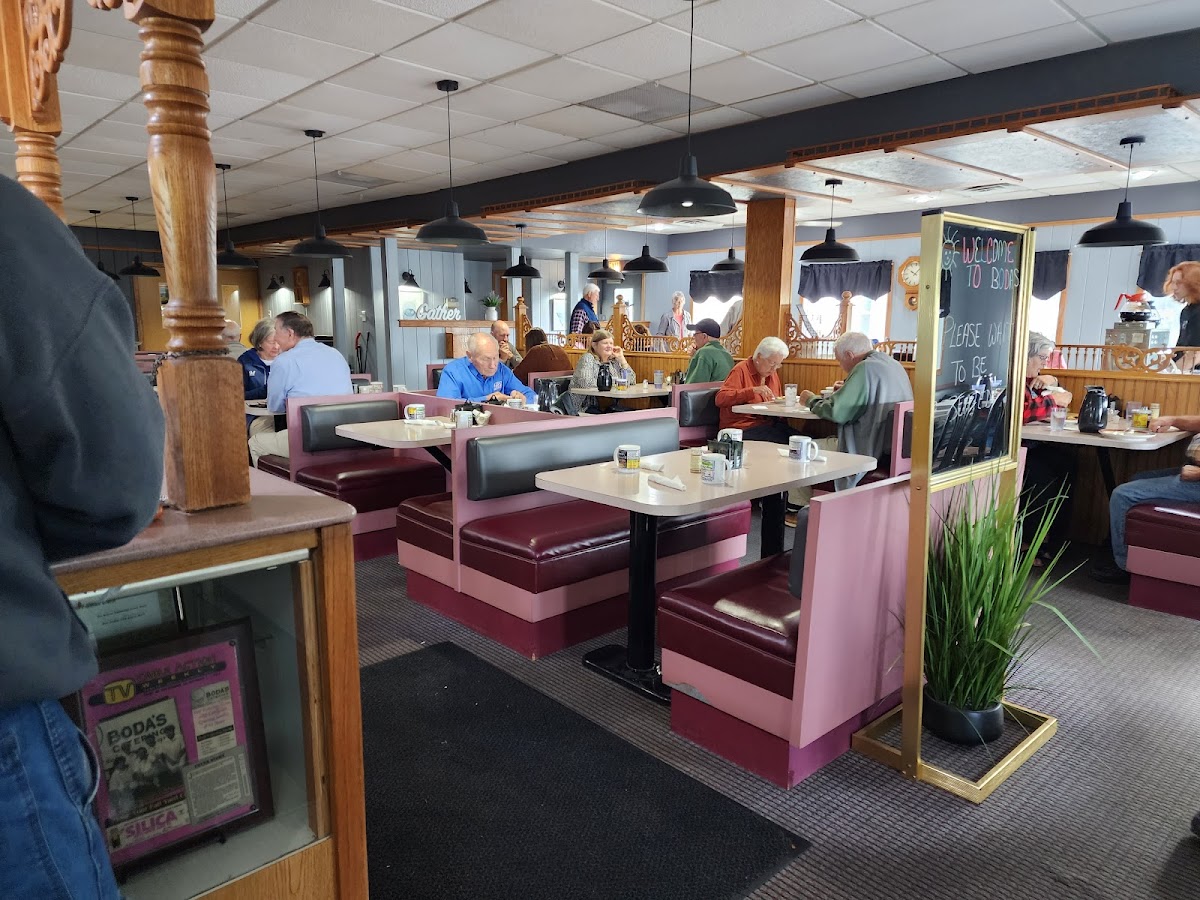
Walking into Boda's Restaurant feels like stepping into a place where routines matter and regulars are remembered. I first stopped by on a cold Wisconsin morning while driving through Fond du Lac, and the warm buzz inside immediately set the tone. Plates moved fast from the kitchen, coffee cups were rarely empty, and conversations bounced easily between tables. That kind of atmosphere doesn’t happen by accident. It’s built over time, one breakfast rush and one satisfied guest at a time, especially at a spot located right off the road at 277 S Pioneer Rd, Fond du Lac, WI 54935, United States, where locals and travelers naturally cross paths.
The menu leans into classic diner comfort, and that’s where the experience really shows. Instead of overwhelming choices, the focus is on dishes people actually come back for. Eggs cooked the way you ask, crisp hash browns, burgers that taste like they’ve been flipped the same way for years, and daily specials that rotate based on availability. One server explained that the kitchen keeps prep simple on purpose, following a consistent cooking process so every plate hits the same standard. That approach lines up with data from the National Restaurant Association, which reports that over 70 percent of diners prefer familiar comfort food when eating out, especially in independently owned restaurants.
I noticed how reviews pinned near the register echoed the same themes: friendly service, fair prices, and food that shows up fast without feeling rushed. One handwritten note praised the breakfast crowd handling, while another mentioned stopping in weekly after work. Those comments match what researchers from Cornell University’s School of Hotel Administration have found about repeat customers: consistency matters more than trendiness. Places like this thrive by delivering reliable quality rather than chasing gimmicks.
From a professional standpoint, what stands out is how the staff manages flow during peak hours. Orders are called clearly, plates are staged efficiently, and there’s a visible rhythm between the grill and the servers. That kind of coordination is often taught in culinary training programs as lean service management, a method designed to reduce wait times and mistakes. Seeing it applied in a small-town diner proves that good systems aren’t limited to big chains.
The location also plays a role in the restaurant’s steady reputation. Being easy to reach makes it a natural meeting point, whether someone is grabbing a quick lunch or sitting down for a longer meal. Several diners I spoke with mentioned choosing it because parking is simple and the space feels welcoming rather than cramped. That convenience factor shows up frequently in online reviews, which aligns with consumer behavior studies from the U.S. Small Business Administration highlighting accessibility as a major driver of foot traffic.
That said, there are a few limitations worth mentioning. The menu doesn’t cater heavily to niche dietary needs, so guests looking for extensive vegan or gluten-free options may find choices limited. The staff is upfront about this, which builds trust rather than disappointment. Transparency like that reflects best practices recommended by food safety authorities such as the USDA, especially when handling special requests.
What keeps people talking about this diner isn’t flash or reinvention. It’s the feeling of sitting down, ordering without overthinking, and knowing exactly what you’ll get. As one regular told me, good food, no drama, which sums it up better than any slogan. In a dining landscape that changes fast, this place proves that sticking to what works, listening to feedback, and respecting the basics can still earn genuine loyalty.
Good to know
Service options
✓ Delivery ✓ Takeaway ✓ Dine-inHighlights
✓ Fast service ✓ Great coffee ✓ Serves local specialtyPopular for
✓ Breakfast ✓ Lunch ✓ Dinner ✓ Solo diningAccessibility
✓ Wheelchair-accessible car park ✓ Wheelchair-accessible entrance ✓ Wheelchair-accessible seating ✓ Wheelchair-accessible toiletOfferings
✓ Alcohol ✓ Beer ✓ Coffee ✓ Comfort food ✓ Healthy options ✓ Quick biteDining options
✓ Breakfast ✓ Lunch ✓ Dinner ✓ Catering ✓ Dessert ✓ Seating ✓ Table serviceAmenities
✓ ToiletAtmosphere
✓ Casual ✓ Cosy ✓ QuietCrowd
✓ Groups ✓ TouristsPlanning
✓ Accepts reservationsPayments
✓ Credit cards ✓ Debit cards ✓ NFC mobile payments ✓ Credit cardsChildren
✓ Good for kids ✓ High chairs ✓ Kids' menuParking
✓ Free of charge street parking ✓ Free parking lot ✓ ParkingPhotos
1 / 4
Location
Reviews
- No ratings yet 304 reviews
My sister-in-law and brother-in-law asked my wife and I if we wanted to meet them for breakfast. We were definitely interested and their choice was Boda's. Since I'd never eaten there before I was very interested in trying out a new restaurant, especially one that I'd driven past a thousand times in the last couple of years. I'm glad we went there, to be honest. The atmosphere had a "homey" feel to it, the food was very good, our orders came in a reasonable amount of time and the prices were lower than I had expected. I had what was basically a taco skillet minus the peppers, onions and black olives ( I am *NOT* a fan of any of those ) with scrambled eggs and toast with a side-order of gravy ( to have with my toast ). Suffice it to say that I didn't leave hungry and my wife and I now have a new place to have breakfast. I like it !
Nice home town diner to get a quick breakfast. The coffee was hot and the food was good. The staff had that small town, local vibe but they were still professional and great.
Boda's restaurant has great home cooked meals at a great price. Amazing atmosphere and very welcoming staff. We've been going here for years. Thanks
Another great little greasy spoon I went past it so many times and I finally stopped in today I had two eggs over hard we toast beef hash and hash browns with fried onions and it all was very good and at a very good price I would definitely recommend coming on in these places are few and far between the Big Box store restaurants that we have today and before long they will be gone.
Friendly diner with fast service. Simple menu with breakfast classics, no frills and good prices. Sausage patties are no the usual variety, fleshy and odd taste, wouldn't recommend.